

In somewhat of a surprise, the Legislative Yuan has passed the Youth Basic Law. The law, which defines youth as between the ages of 18 and 35, provides for the creation of the Youth Affairs Development Council and the establishment of a 10 billion NT fund meant for youth...
A number of third parties, namely the New Power Party, Green Party, Obasan Alliance, and the Tatwan Statebuilding Party, held a press conference with Better Together for NextGen Taiwan late last month to call for strengthening legal provisions intended to allow for youth participation in politics...
The results of nine-in-one elections today resulted in the KMT regaining control of traditional territories in Taoyuan, Keelung, and Taipei, while edging out the DPP competition. On the other hand, the DPP held onto its own traditional territories in southern Taiwan in Tainan and Kaohsiung. However, the DPP clearly was unable to gain new ground or to hold onto traditional pan-Blue territory that it had captured in past years...

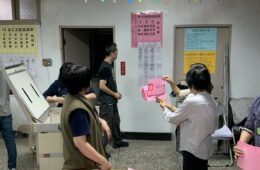
The 2022 midterm elections have, in some ways, been characterized by the absence of any animating core issue. In past years, the national referendum has allowed for local elections to crystallize around specific issues. For preceding elections, this has ranged from legalizing gay marriage to nuclear energy, opening up Taiwan to pork imports from the US, and the name that Taiwan would compete in the 2020 Tokyo Olympics under. This year, the only issue being voted on is that of lowering the voting age from the current twenty years old to eighteen years old...
Questions have been raised about whether an upcoming referendum to lower the voting age to 18 will pass. Concerns have been raised about whether the referendum will meet the referendum may not meet the 9.65 million votes necessary to pass constitutional changes. This means that young people can serve in the army, drink, and are able to vote in national referendums, seeing as changes to the Referendum Act in December 2017 lowered the age for voting in the referendum from 20 to 18, but they cannot vote for elected representatives in Taiwan currently...
A proposed constitutional amendment to lower the voting age to age 18 cleared the legislature last Friday. As a result, the amendment will be put to a national referendum later this year...
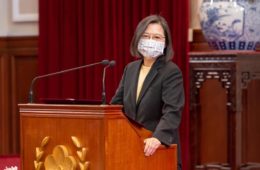
President Tsai Ing-wen signaled a renewed focus on constitutional reform for her second term earlier this week in public comments at the DPP’s national congress. Tsai gave these comments in her capacity as chair of the DPP. Likewise, Tsai emphasized that the next major electoral task ahead of the DPP was winning the Kaohsiung by-election, which she phrased as “restoring the glory of Kaohsiung”...