



by Brian Hioe
語言:
English
Photo Credit: Liam Thompson/WikiCommons/CC BY-SA 4.0
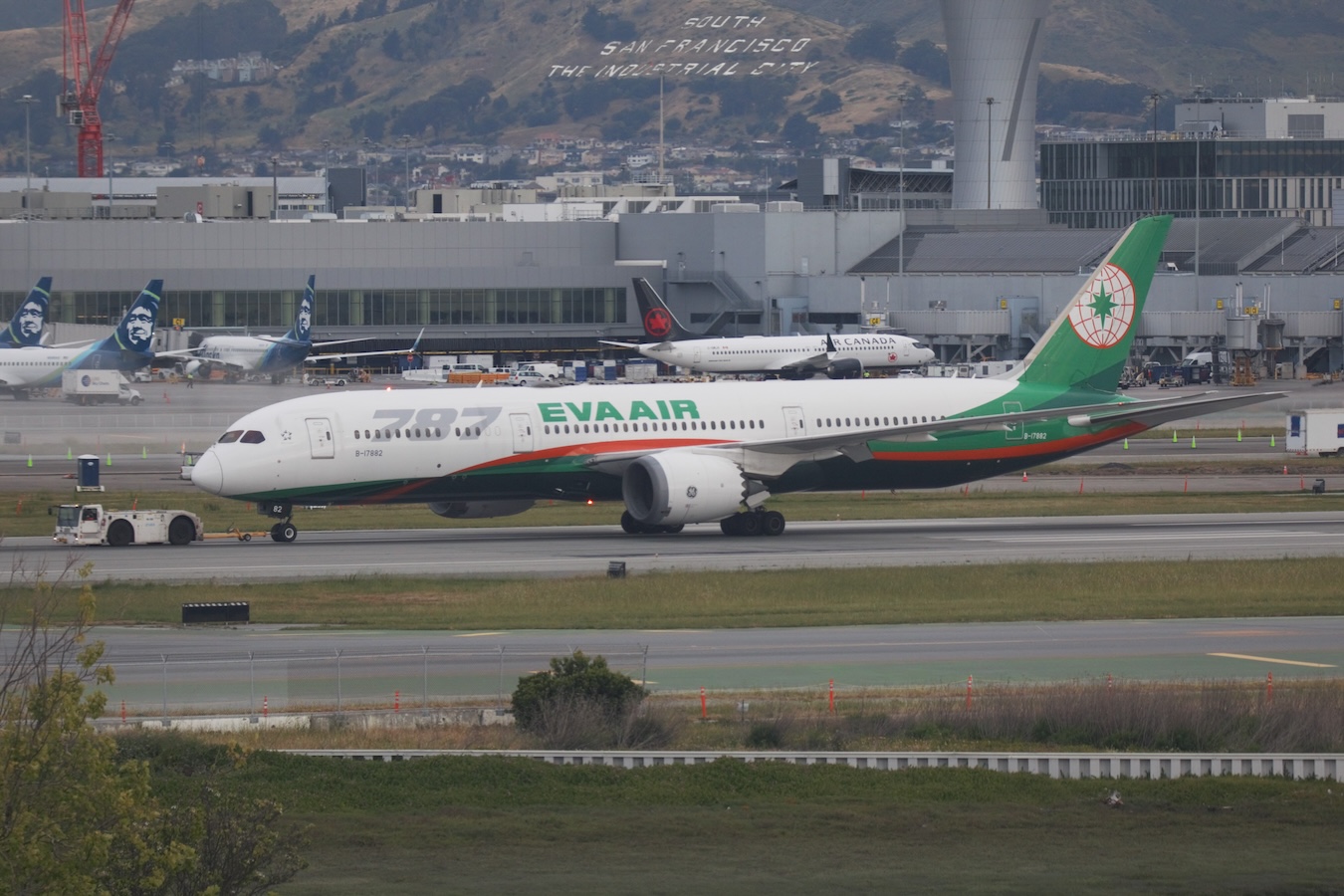
IN AN UNUSUAL series of events, in short order, Pakistan declared that Taiwanese airlines would not be allowed to fly over the country, then reversed course on the decision.
The decision was announced by Pakistan’s Minister of Defense Khawaja Asif, who stated that the new policy was made to comply with Pakistan’s One China Policy. Originally, Taiwanese airlines EVA Air and China Airlines had been cleared for overflight privileges by Pakistan from October 28 of this year through March 27, 2027, as approved by the country’s Civil Aviation Authority.
This would be the first time that a country has revoked overflight privileges for Taiwanese air carriers, on the basis of a claimed One China Policy. If so, it could be that Pakistan would be seeking closer ties with China, and hitting out at Taiwan would be a means of doing so. Or Pakistan could have been acting on China’s behest, with China expected to try and constrain Taiwan’s international space ahead of the upcoming local elections next month. As for why Pakistan later reversed course, this is also unclear, except perhaps that international backlash was larger than expected–or perhaps there was pressure behind the scenes from the US.
This is not the only time that similar events have occurred in recent memory, however. Earlier this year, a planned trip by President Lai Ching-te to Eswatini, Taiwan’s only African diplomatic ally, to mark King Mswati III’s 40th anniversary of accession to the throne, as well as Mswati’s 58th birthday, was abruptly cancelled. Specifically, countries that Lai would have passed over on his flight to Eswatini, Madagascar, Mauritius, and the Seychelles revoked overflight permissions shortly before Lai was to set out on his trip.
The sudden cancellation was largely interpreted as China flexing its muscles in terms of its influence in Africa, with the Lai administration suggesting that China threatened to revoke debt cancellation for Madagascar, Mauritius, and the Seychelles if they did not comply. It is unclear, then, whether something similar could have occurred with Pakistan, in that the attempt to revoke overflight privileges could have occurred because of Chinese pressure, but also could have occurred as a result of actions by the Pakistani government.
It is to be seen if this is a new tactic in China’s playbook, then, seeking to limit travel by Taiwanese airlines as a sign of Chinese displeasure. Still, such actions may ultimately anger Taiwan, reminding the public shortly before elections of Chinese coercion and its bullying on the international stage. One may perhaps perceive reports of Taiwanese having their passports confiscated by Ugandan and Kenyan authorities with the demand to provide Chinese travel documents in a similar vein, even if Kenya later reversed course. This, too, could occur at the initiative of these countries’ governments or because of Chinese pressure, with China using its substantial economic and political heft globally in order for this to occur.