



by Brian Hioe
語言:
English
Photo Credit: Yu tptw/WikiCommons/CC BY-SA 4.0
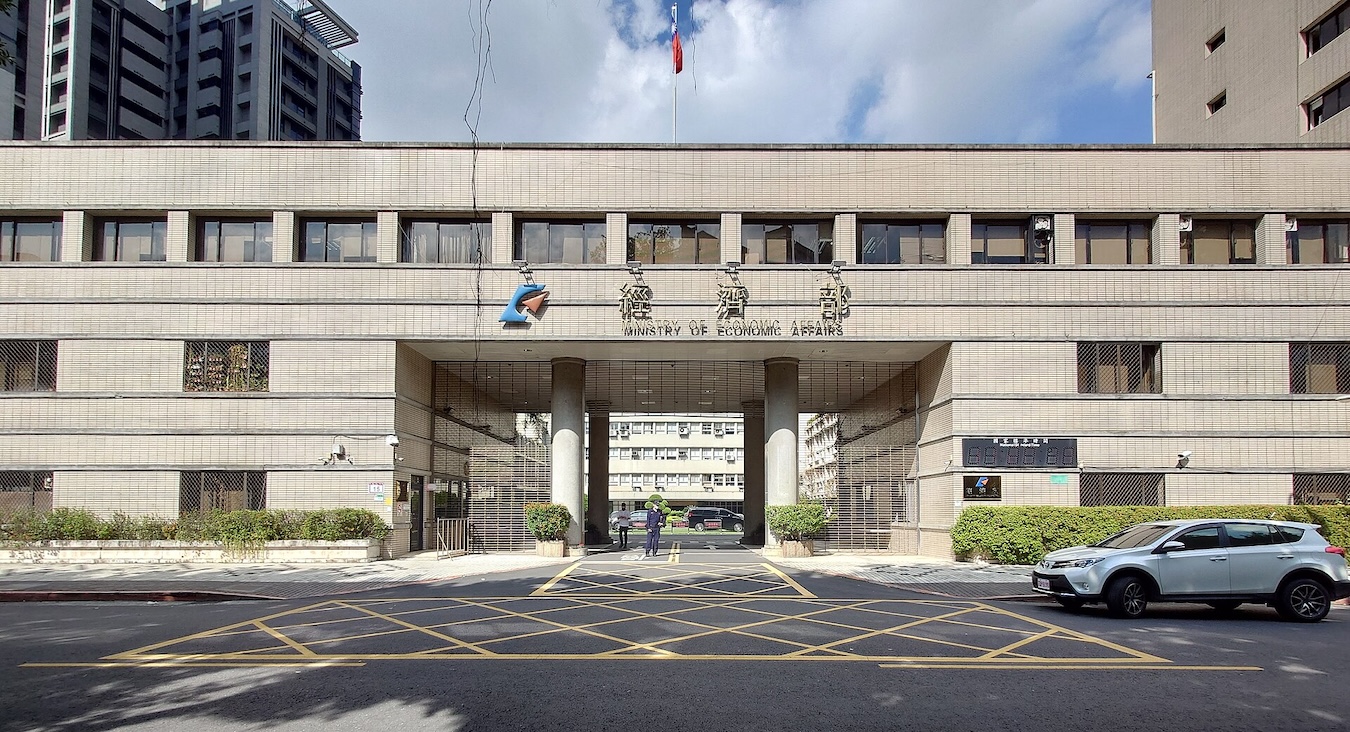
AT THE START of this month, Taiwanese and Indonesian groups submitted the first complaint to the Ministry of Economic Affairs (MOEA) under the new National Contact Point (NCP) complaint system. As the name implies, the system designates the MOEA as the place where complaints about wrongdoings by Taiwanese companies internationally should be directed. Nevertheless, the Taiwanese government was criticized for announcing that the MOEA would serve as Taiwan’s NCP in September 2024, but delaying its actual rollout.
A number of criticisms from Indonesian groups centered around Taiwanese companies in the environmentally destructive nickel mining industry. Among the groups present were Action for Ecology and People Emancipation, the FSPIM Morowali Labour Union, as well as Fagawene, a local organization based out of the Weda Bay Area.
Nickel mining is a highly carbon-intensive endeavor, and it is reliant on coal-burning power plants. In addition to air pollution, wastewater discharge has led to coral deaths. This has damaged fishing grounds, killed coral reefs, and impacted river and lake ecosystems in Sagea. Tourist sites such as the Boki Maruru Cave have also been put at risk of irreversible damage. Deforestation affects residential areas, worsening issues of flooding while depriving local communities of access to clean water.
Likewise, safety practices were criticized as lacking for workers. Apart from dangerous accidents, workers have not been provided with dust collection equipment and personal protective gear, even in smelting facilities. Furthermore, facilities are poorly ventilated.
The Taiwanese government was called on to comply with international mechanisms in accepting the complaint, as well as implementing the NCP system. The Taiwanese civil society groups present, which included the Taiwan Association for Human Rights and Taiwan Labour Front, suggested that a failure to take action would worsen Taiwan’s international image. The MOEA was criticized, however, for still failing to disclose the details of the complaint review process, as well as for delays in releasing the National Action Plan on Business and Human Rights at a time when Taiwanese companies such as Giant Bicycle have fallen afoul of a Withhold Release Order in the US over forced labor allegations.
In this sense, Taiwanese companies and the government were called on to undertake responsible corporate diligence in line with international standards. But it may not be surprising if one continues to see the government continue to drag its feet, acting to defend corporate interests instead of calling them to account.